
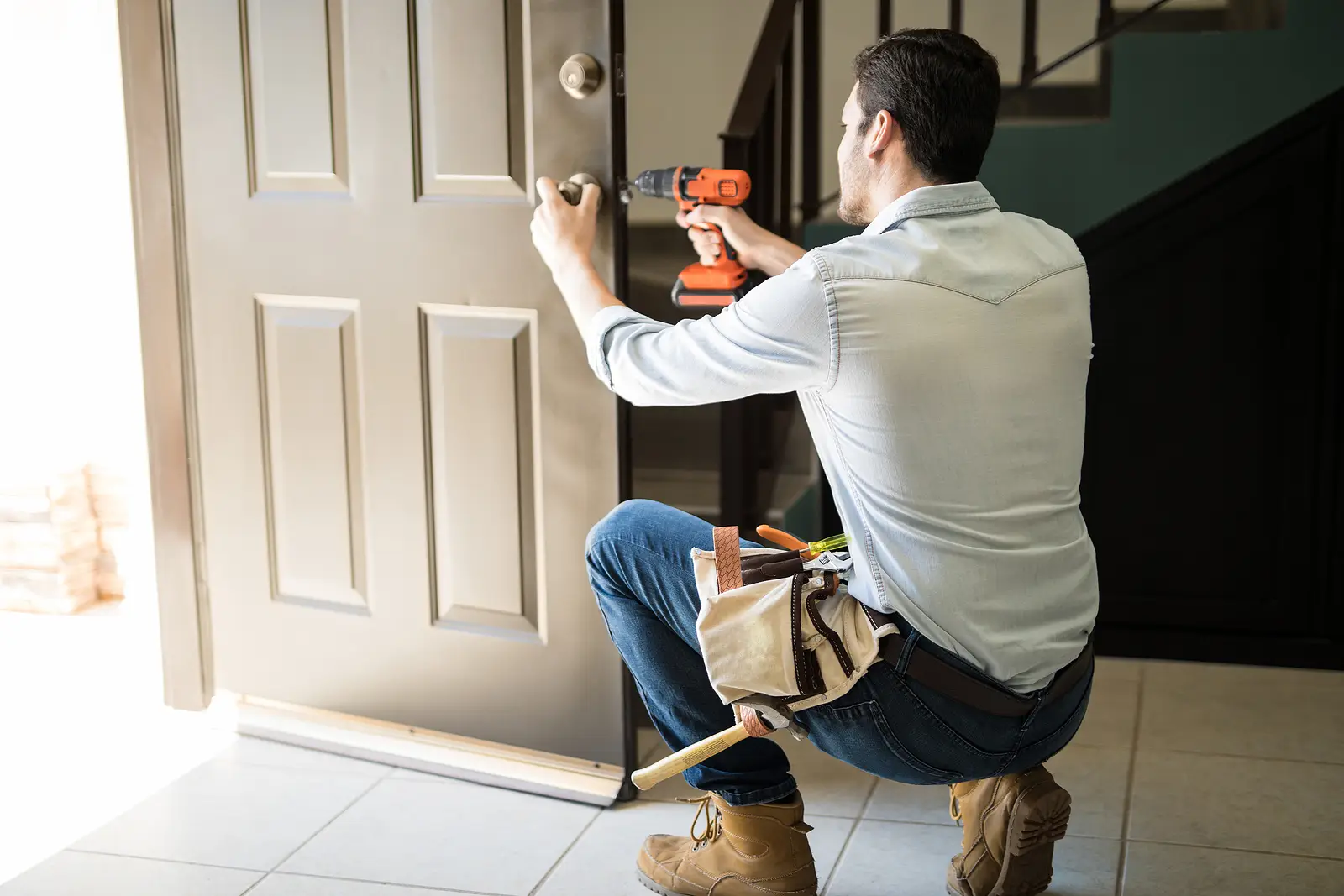
Keeping an eye on recurring issues becomes easier when using a tenant portal system, especially as patterns begin to surface over time. A faucet leaks again, an outlet fails after a recent repair, or the AC unit struggles once more. At first, these feel like routine maintenance tasks.
Then they happen again, and again. What once seemed random begins forming a pattern. These repeated repairs often reveal something deeper beneath the surface. Left unchecked, they can increase expenses, frustrate tenants, and weaken the overall performance of your Lafayette rental.
Key Takeaways
- Recurring repairs often point to deeper issues that require more than surface-level fixes
- Frequent service calls increase long-term maintenance costs significantly
- Delaying upgrades leads to inefficiency and repeated breakdowns
- Reliable maintenance improves tenant satisfaction and lease retention
- Tracking repair patterns helps prevent costly recurring problems
Recurring Repairs Often Reveal Bigger Issues
Repeated maintenance problems are rarely isolated. When the same issue comes back, it usually means the root cause hasn’t been addressed properly.
Instead of focusing only on fixing what’s visible, it’s important to step back and assess the pattern. This allows you to identify underlying inefficiencies before they turn into major expenses.
What Patterns Can Tell You
Recurring issues often point to structural or system-related problems. For example, plumbing clogs could indicate pipe buildup or poor design. Electrical issues might suggest outdated wiring that can’t handle modern usage.
Reviewing your maintenance history regularly helps reveal these patterns early. It also allows you to make informed decisions about repairs versus replacements.
Common Warning Signs
- The same repair request appears multiple times in a short period
- Issues persist even after professional servicing
- Problems occur across different tenants or seasons
When these signs show up, it’s time to look beyond temporary fixes.
The Hidden Cost of Repeated Fixes
Individually, small repairs might not seem expensive. Over time, however, repeated service calls can quietly drain your budget.
Each visit includes labor, materials, and scheduling costs. Multiply that by recurring issues, and the total can climb quickly.
Recent data shows that median monthly housing costs reached $2,035 in 2024, reflecting how ongoing expenses continue to rise nationwide.
Why Temporary Repairs Add Up
Quick fixes often treat symptoms instead of addressing the root cause. This leads to repeated repairs, which means more spending without long-term results.
A better approach involves evaluating whether a repair solves the issue permanently or simply postpones it.
Long-Term Financial Impact
Recurring repairs often cost more than a one-time upgrade. Investing in solutions like smart property upgrades can reduce maintenance frequency while improving efficiency.
Over time, these improvements help stabilize your budget and reduce unexpected expenses.
Delayed Upgrades Lead to Ongoing Inefficiency
Holding off on system upgrades might seem like a cost-saving decision, but it often leads to higher expenses in the long run.
Older systems require more frequent repairs and operate less efficiently. This creates a cycle where you’re constantly fixing issues instead of improving overall performance.
Consequences of Waiting Too Long
- Increased maintenance frequency
- Higher utility costs
- Greater risk of sudden breakdowns
These challenges can disrupt your operations and affect tenant satisfaction.
Making Better Investment Decisions
Evaluating the long-term impact of upgrades is essential. Using tools like a property ROI calculator can help you determine whether replacing a system now will save money later.
Making proactive decisions ensures your property remains efficient and reliable.
Tenant Satisfaction Depends on Consistency
Tenants expect repairs to last. When issues keep returning, it creates frustration and uncertainty.
Even if maintenance requests are handled quickly, repeated problems can make tenants feel like their concerns aren’t fully resolved. Over time, this affects their overall experience.
How Recurring Issues Affect Tenants
Frequent disruptions can make tenants feel inconvenienced. They may begin to question the reliability of the property, especially if problems interfere with daily living.
Providing consistent and effective maintenance solutions is key to maintaining strong tenant relationships.
Signs of Declining Satisfaction
- Repeated complaints about the same issue
- Frustration in communication
- Hesitation during lease renewals
Addressing problems thoroughly helps build trust and improve tenant retention.
Turnover Risks Increase When Problems Persist
When maintenance issues continue unresolved, tenants are more likely to leave. Even small recurring problems can influence their decision, especially if they affect comfort and convenience.
Higher turnover leads to additional costs, including vacancy periods, marketing expenses, and leasing fees.
Why Retention Matters
Keeping reliable tenants is often more cost-effective than finding new ones. Consistent maintenance plays a major role in encouraging tenants to stay.
Investing in proper repairs and upgrades helps create a stable living environment, which supports long-term occupancy.
Improving Long-Term Performance
Understanding your property’s performance can help you identify areas for improvement. Reviewing insights through a rental analysis report provides valuable data on efficiency, pricing, and maintenance trends.
Additionally, staying informed about owner resources can help you make better decisions that support both tenant satisfaction and financial performance.
Recurring maintenance costs across the country have reached $198.4 billion in a single year, showing how unresolved issues contribute to broader financial strain.
FAQs about Recurring Repairs and Rental Property Efficiency in Lafayette, LA
How do I know if a repair issue is recurring or just a coincidence?
If the same problem appears multiple times within a short period or across different tenants, it usually signals an underlying issue rather than a one-time occurrence that can be resolved with a simple repair.
What types of systems are most prone to recurring repairs?
Plumbing, HVAC, and electrical systems tend to show repeat issues when aging or improperly installed, making them the most common areas where recurring maintenance problems can develop over time.
Is it better to repair or replace a failing system?
If repair costs continue to add up and the issue keeps returning, replacing the system is often the more cost-effective and reliable solution in the long run.
Can recurring repairs affect rental pricing?
Yes, frequent maintenance issues can lower perceived value, making it harder to justify competitive rental rates and potentially impacting your overall return on investment.
How can property management help reduce recurring issues?
Professional management involves tracking maintenance history, identifying patterns, and coordinating long-term solutions, which helps prevent repeated problems and improves overall property efficiency.
Restore Stability and Confidence in Your Rental Property
Recurring repairs are signals that something deeper needs attention. Addressing these patterns early helps you avoid rising costs, reduce disruptions, and create a better experience for your tenants.
At PMI Integrity Properties - Lafayette, we focus on identifying root causes and implementing lasting solutions that keep your property running smoothly. From preventive maintenance to long-term upgrades, our approach is built around efficiency and reliability.
Ready to stop the cycle of repeated repairs? Let us help you move forward with confidence. Start improving your property today with expert maintenance solutions by visiting this maintenance support page.