
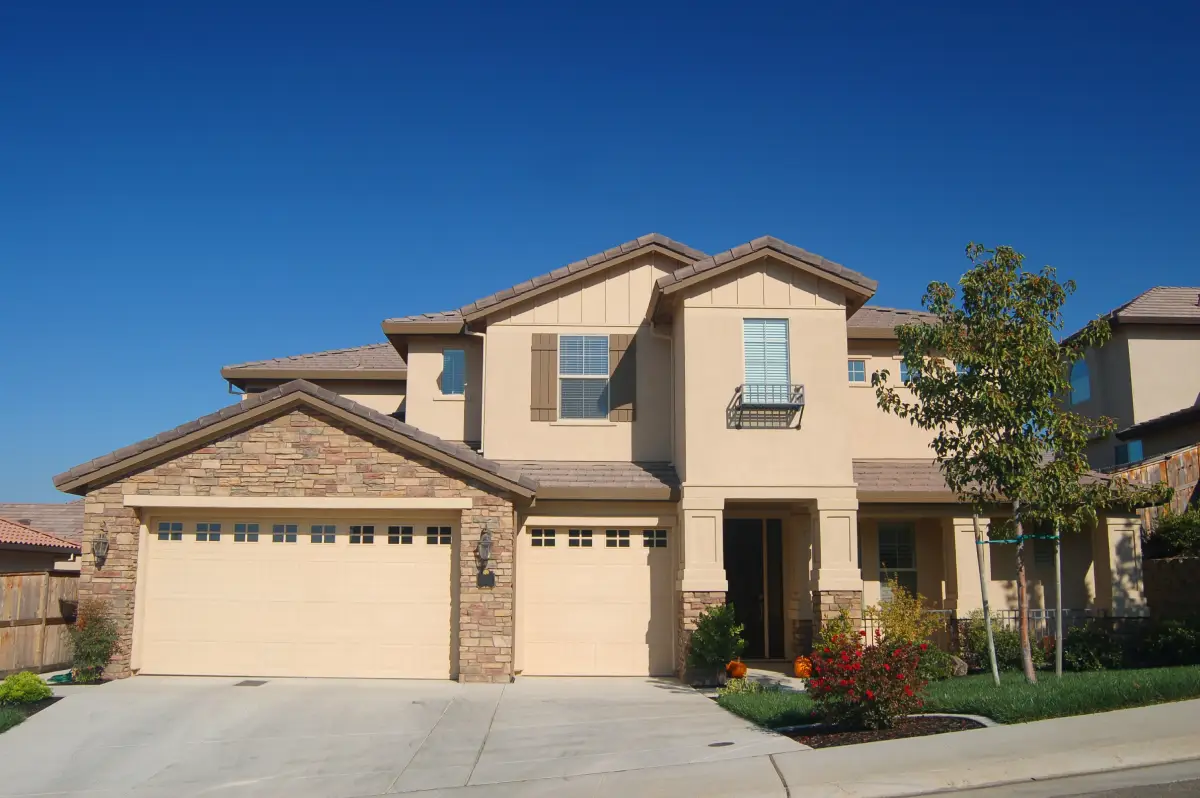
For many owners, a calmer rental business starts with property selection, and a quick look at our rental value guide can help you gauge what Baton Rouge renters will actually pay. Once you’ve owned both types, the difference becomes obvious: some properties quietly perform, while others pull you into constant coordination.
In Baton Rouge, that gap shows up fast when you compare single-family homes to multifamily properties. Multifamily can offer scale, yet it also comes with shared systems, more resident-to-resident friction, and layered decision-making that often lands in your lap. Single-family rentals tend to reduce those pinch points early, which creates a smoother operating rhythm for residential investors who value predictability.
Below, we’ll break down the day-to-day reasons single-family homes are often easier to run, where the money and time savings really come from, and how to approach growth with a residential-only strategy that fits Baton Rouge.
Key Takeaways
- Single-family rentals reduce day-to-day conflict because tenants share less space and fewer systems.
- Yards and private entrances support stronger retention for Baton Rouge households who want room to live.
- Flexible floor plans keep tenants in place as work and family needs change.
- Pricing stays steadier when you’re not competing with identical units in the same building.
- Maintenance planning is simpler when repairs impact only one household at a time.
Fewer Shared Spaces Means Fewer Headaches
Single-family homes have a built-in operational advantage: lower density. With fewer touchpoints between neighbors, problems are less likely to escalate into management issues.
Lower Conflict, Lower Communication Load
In a multifamily setting, everyday concerns can stack up, noise, parking disputes, hallway wear, and shared amenity complaints. Those issues create more messages, more follow-up, and more “urgent” situations that aren’t truly emergencies. Single-family living removes many of those triggers, which keeps your inbox quieter and your schedule easier to plan.
More Predictable Tenant Experience
When tenants have their own entrance and their own footprint, expectations are clearer. There’s less debate about rules, less stress around shared responsibilities, and fewer misunderstandings that lead to friction.
If you’re building a long-term strategy, it helps to anchor decisions to local fundamentals. Our market snapshot overview offers a helpful lens for understanding demand drivers that also influence nearby residential trends.
Outdoor Space That Supports Retention
Outdoor space is a major reason tenants stay longer in single-family homes. In Baton Rouge, private yards, patios, and driveways can be the deciding factor for families, pet owners, and people who want personal space.
Why Yards Matter in Baton Rouge
Outdoor living fits the local lifestyle. Tenants often value a place to grill, garden, or relax without dealing with building rules or shared courtyards. That comfort translates into higher satisfaction, which often translates into fewer move-outs.
Here are a few tenant-facing benefits that also reduce operational friction for owners:
- Private yards can reduce conflicts tied to shared amenities and common area behavior.
- Dedicated driveways help prevent parking disputes and guest issues.
- Personal outdoor space supports pet-friendly demand without crowding concerns.
After this, we’ll shift to interior features, since the inside of the home plays a major role in keeping tenants stable.
Floor Plans That Keep Tenants Longer
Single-family homes usually offer layouts that adapt as tenants’ needs change. That flexibility can protect occupancy by reducing the pressure to upgrade or relocate.
Rooms That Flex With Real Life
Extra bedrooms, bonus rooms, and defined living areas can support home offices, visiting family, and changing household dynamics. When a tenant’s work situation shifts or a family grows, they’re more likely to renew when the home still fits.
Better Fit for Long-Term Households
Multifamily units often solve for efficiency, and that works for some renters. Yet many long-term renters in Baton Rouge want a place that feels settled, with storage, separation between rooms, and quieter living. That kind of fit reduces turnover and lowers your re-leasing costs.
Pricing Power Without Internal Unit Competition
One of the biggest hidden challenges in multifamily ownership is internal competition. When several similar units are available at once, pricing becomes reactive.
Steadier Rent Strategy for Single-Family Homes
Single-family rentals compete by neighborhood, condition, yard space, and overall feel. You can price based on a specific home’s features instead of chasing the unit down the hall that just dropped rent. That gives you more control and fewer forced concessions.
National pricing trends also highlight how durable detached-home demand can be. The median existing single-family home price reached $426,800 in the third quarter of 2025, reflecting ongoing interest in this segment.
If you’re newer to residential investing, it helps to build strategy before you buy. Our beginner investing tips are a solid starting point for planning a portfolio that stays manageable as it grows.
Maintenance That’s Easier to Budget and Schedule
Single-family homes typically have fewer shared systems, and that makes maintenance planning more straightforward. Multifamily properties often bundle risk, one issue can trigger multiple complaints and require coordinated access across units.
Isolated Repairs, Cleaner Timelines
In a single-family rental, most repairs affect one household at a time. That simplifies scheduling and reduces the chance of delays caused by multiple tenants’ availability. It also helps you plan reserves more accurately, since there’s less domino-effect risk.
Here are a few maintenance categories that tend to be simpler in single-family homes:
- HVAC troubleshooting usually stays within one system and one set of ducts.
- Plumbing repairs typically require access to one household instead of multiple units.
- Exterior upkeep can be planned by property rather than juggling shared areas and resident traffic.
Insurance and Liability That’s Less Complicated
Risk management matters, especially when you’re focused strictly on residential rentals. Single-family homes often come with clearer liability boundaries, which helps keep insurance decisions more straightforward.
Cleaner Coverage Structure
With fewer shared spaces, there are fewer gray areas around responsibility. That can reduce the chance of disputes about common area incidents, shared stairwells, and amenity-related injuries. It also helps owners evaluate policy needs without as many moving pieces.
This clarity doesn’t remove risk entirely, yet it does make it easier to spot gaps and match coverage to the property.
Growth Flexibility for Residential Investors
Single-family rentals often give Baton Rouge investors a more flexible growth path. You can add homes gradually, test neighborhoods, and refine your processes with less operational complexity.
Scale in Steps, Not Leaps
Multifamily acquisitions can require bigger jumps in systems, staffing, and vendor coordination. A single-family strategy can grow one door at a time, while still building meaningful momentum.
For investors who like to uncover value in different ways, our distressed property opportunities can spark ideas on sourcing, due diligence, and risk planning that still applies to residential acquisition decisions.
Tenant Demand Trends That Favor Single-Family Living
Renters often pay more for privacy, space, and autonomy, and that demand shows up in rent trends. Detached homes can command higher pricing when the property is well-maintained and positioned in the right neighborhood.
Zillow has also reported single-family rents are 20% higher than multifamily rents, which reinforces how renters value the single-family experience.
What That Means in Baton Rouge
In practical terms, you’re often serving households who want stability. They may prioritize school zones, commute patterns, and quieter streets. When you match the right home to the right renter profile, retention gets stronger and vacancy risk softens.
Choosing Homes That Fit Your Strategy
Even within single-family rentals, not every deal supports smooth operations. Smart selection is where residential investors protect their time and returns.
Focus on Operability, Not Just Purchase Price
Look beyond the listing photos. Think about maintenance access, long-term durability, and the tenant profile the home naturally attracts. A home that’s “cute” yet maintenance-heavy can become a drain.
When you’re ready to compare options side by side, our investment search tools can help you filter opportunities with a clearer strategy lens.
FAQs about Single-Family Rentals in Baton Rouge, LA
What types of tenants usually prefer single-family rentals in Baton Rouge?
Many applicants are families, pet owners, and professionals who want quieter living, private outdoor space, and room to spread out, especially when they expect to stay in the same area for multiple years.
Do single-family homes in Baton Rouge take longer to rent than apartments?
Well-priced homes in desirable neighborhoods often rent quickly because there’s less direct competition from identical units, and renters searching for space tend to decide fast when a home fits their needs.
How does maintenance differ between single-family and multifamily rentals?
Single-family repairs are usually simpler to schedule because access involves one household, and system issues don’t cascade across multiple units, which supports more predictable budgeting and fewer resident disruptions.
Are single-family rentals easier to insure than small multifamily properties?
Coverage can be more straightforward since liability is typically tied to one household’s space rather than shared hallways or amenities, making it easier to evaluate risks and choose policy limits that fit the property.
How can investors scale a single-family portfolio without getting overwhelmed?
Scaling works best with repeatable processes, consistent screening, and a planned reserve strategy, so each new home adds income without adding chaos, and you can grow steadily while protecting time and quality.
A Smarter Way to Keep Rentals Working for You
Better properties create better weeks, fewer interruptions, cleaner budgeting, and a portfolio that’s easier to steer. Single-family homes in Baton Rouge often deliver that kind of stability because day-to-day operations stay simpler and tenant satisfaction tends to run higher.
PMI Integrity Properties - Lafayette helps residential investors translate that advantage into repeatable results, from acquisition planning to operational oversight that protects performance. Strengthen your residential investment plan through our investment services and get a Baton Rouge-focused approach built for long-term momentum.